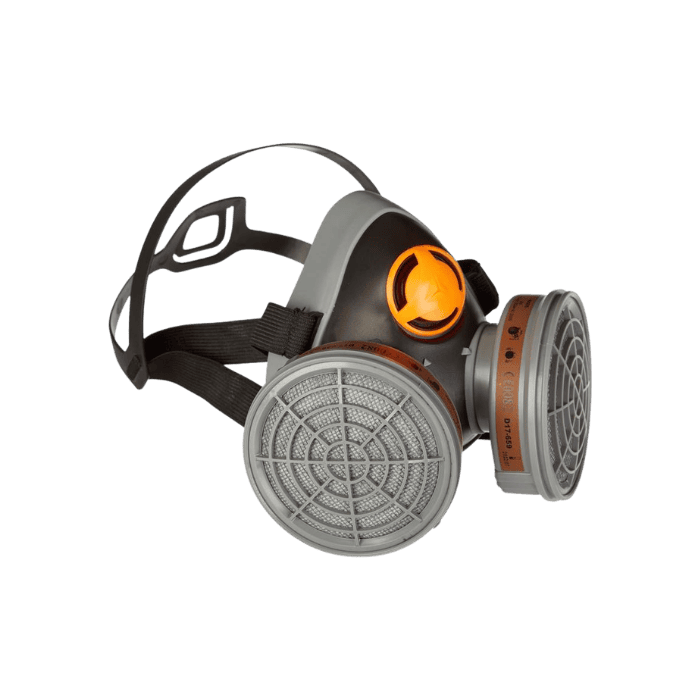


THE SAFETY BRIEF
The Dust That Steals Your Breath
Silica, air quality and the long-term impact on construction workers.
You may not see it. You make not feel it. But the damage from silica dust can build quietly over time. Here's what every site team needs to know and how to protect themselves.
What is silica and why is it a problem?
Respirable crystalline silica (RCS) is a very fine dust created when materials containing silica (e.g. concrete, stone, brick, mortar, tiles and asphalt) are cut, drilled, chased or demolished.
These tiny particles can become airborne and travel deep into the lungs, where they can cause serious and irreversible damage.
The Health and Safety Authority (HSA) warns that even small amounts of respirable crystalline silica can be harmful, and that the dust may be invisible to the naked eye.
The hidden impact over time
Silica-related diseases often develop slowly. You might feel fine today, but repeated exposure can have serious consequences in the years ahead.
Today
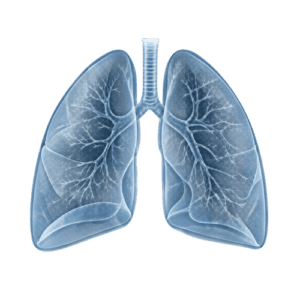
Healthy lungs
Lungs work efficiently with clear airways and healthy tissue.
After 5 years
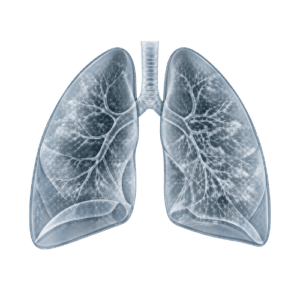
Early changes
You may still feel fine, but inflammation and early scarring can begin. Possible persistent cough and reduced stamina.
After 10 years
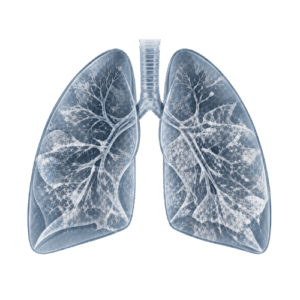
Growing damage
Breathlessness, reduced lung function and scarring (silicosis) may be evident. More frequent chest infections.
After 20 years
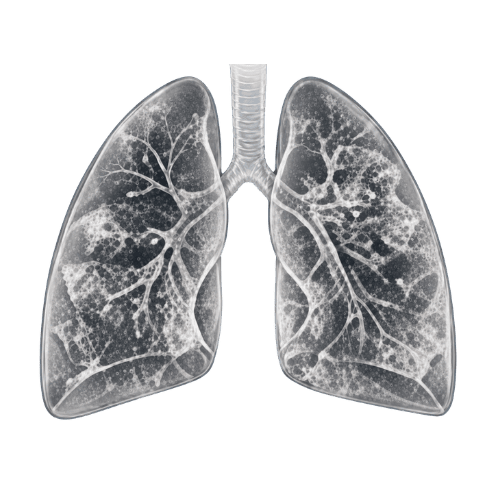
Long-term consequences
Significant loss of lung function. Increased risk of silicosis, COPD, lung cancer and other serious health problems.
Real risks. Real people.
The HSA highlights the serious health risks associated with silica, including:
How to protect yourself and your team
The HSA recommends a combination of control measures. Respiratory protection is the last line of defence.

1. Prevent it

2. Suppress it

3. Capture it
4. Protect yourself

5. Train and monitor
The right PPE for the job
The HSA recommends a combination of control measures. Respiratory protection is the last line of defence.
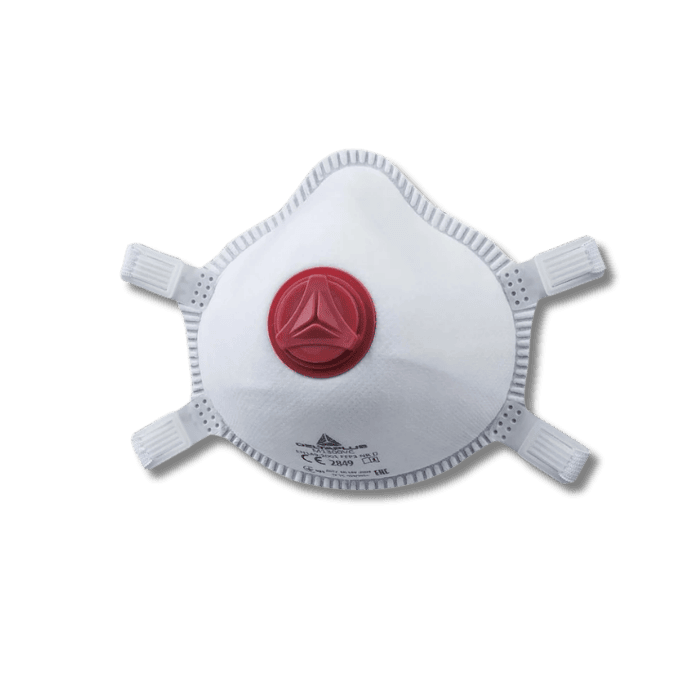
Delta Plus FFP3 Spider Mask
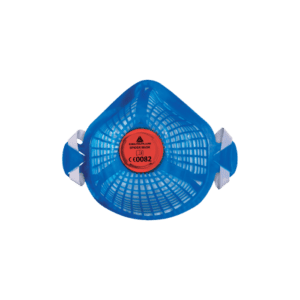
Industrial FFP3 Disposable Face Mask
Delta Plus M6400 Jupiter Reusable Facemask