

THE SAFETY BRIEF.
No Traffic Plan = Serious Risk
Why cones, barriers and signage matter more than ever on site.
A van pulls onto site. A worker crosses the yard. A delivery driver looks for the loading point.
Every movement counts and every decision shapes safety.
Without a clear traffic plan, small oversights create big risks. Confusion leads to close calls, downtime and worst of all, life-changing incidents.
Simple, visible controls make sites safer, smoother and more productive. Here's what to focus on.

Source: HSA Jan-Apr 2025




THE BIG MISTAKE SITES MAKE
Thinking a quick setup is good enough
Temporary doesn't mean unplanned. A few minutes invested in planning can prevent hours of disruption and serious injury.


BUILD SAFER ROUTES WITH THE RIGHT EQUIPMENT

Cones
Guide movement
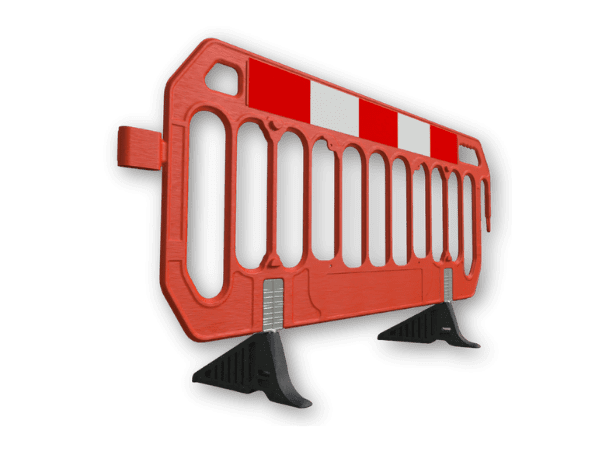
Barriers
Create separation

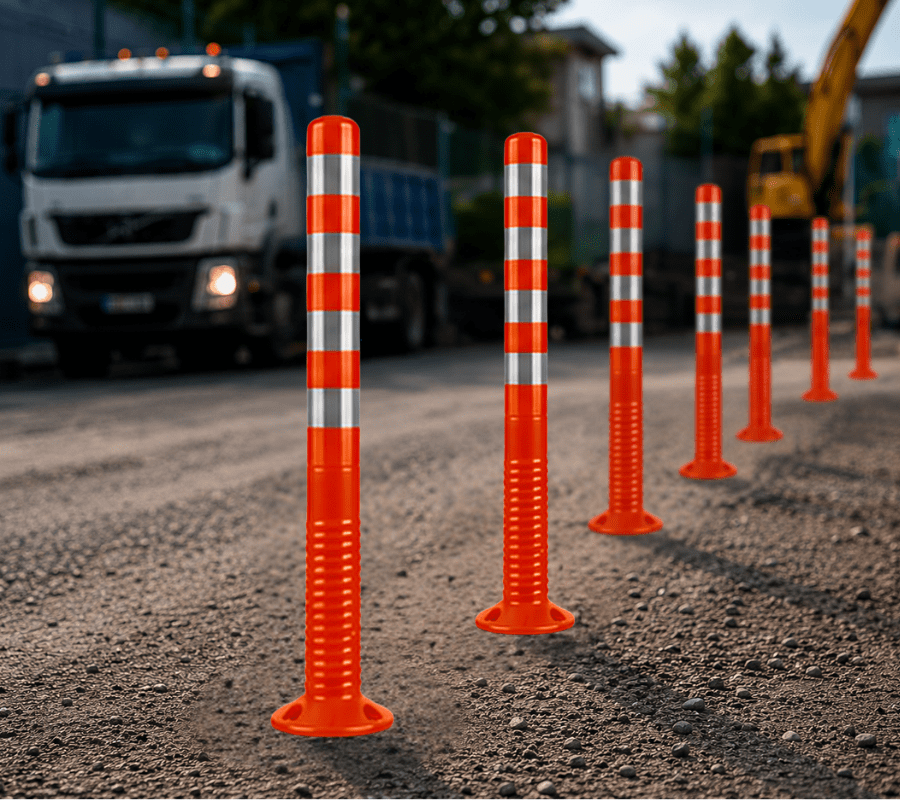
Delineators
Improve visibility
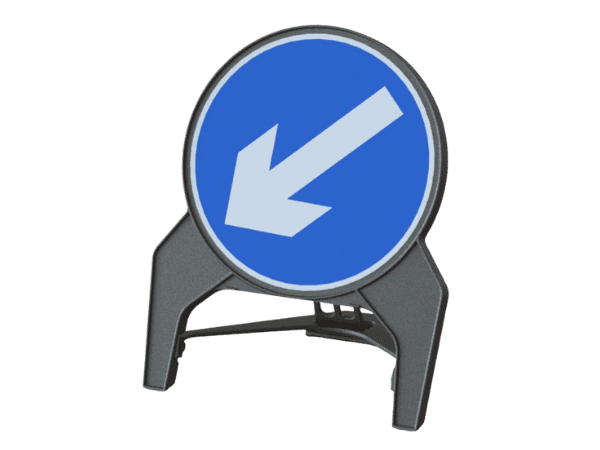
Traffic signage
Remove guesswork
A GOOD TRAFFIC PLAN CONTROLS THE FULL JOURNEY
A strong traffic management setup should guide the full journey: where vehicles enter, where they move, where they stop, where pedestrians walk, where deliveries happen and how the site changes over time.

ONE-WAY ROUTES & FLOW
Clear routes reduce confusion, prevent vehicles from meeting in tight areas and help drivers move through the site without unnecessary reversing.

PEDESTRIAN SEPARATION
Pedestrians should not have to share space with moving vehicles. Use barriers, walkways and visible routes to keep people away from traffic.

VISIBILITY & LIGHTING
High-visibility cones, delineators and signs help drivers understand the route earlier, especially in poor weather, low light or busy areas.

DELIVERY CONTROL
Loading areas should be planned, not improvised. Drivers should know where to stop, unload, turn and exit before entering the site.

REVERSING RISK
Reversing should be reduced where possible. If it cannot be avoided, the area should be controlled, visible and kept clear of pedestrians.

SIGNAGE PLACEMENT
Signs should appear before the decision point. If someone has to stop and ask where to go, the signage is too late.

REVIEW AS THE SITE CHANGES
Traffic routes are not fit-and-forget. Cones move, barriers get clipped, signs turn and layouts change. Review the setup regularly.
QUICK SITE TRAFFIC REVIEW CHECKLIST
BUILT FOR VISIBILITY. READY FOR IMPACT.
PRIMEFLEX ULTRA DELINEATORS
High-performance delineators engineered for traffic and worksite environments.
SPECIFICATIONS
Material: Reinforced TPU
Base Type: Stabilised base
Heights: 750 / 1000 mm
Diameter: 90 / 100 mm
Reflective type: High-visibility
Temperature: -20C to +60C
Compliance: CE EN 12899-3
BIG SAVINGS ON BULK ORDERS !
Share this article: