

THE SAFETY BRIEF.
Construction Safety in Ireland Right Now
What the 2025–2027 Action Plan really means for sites — and what you need to do before inspectors call.
92%
of construction businesses in Ireland are self-employed or small contractors
2025–2027
Action Plan period — active HSA inspections already underway
↓ Fatalities
falling year-on-year, but everyday serious incidents remain the new focus
Most construction companies still treat safety as paperwork. That's starting to change.
Construction safety in Ireland is getting a sharper focus right now. The 2025-2027 Action Plan is pushing for safer sites, fewer accidents and clearer accountability across the board.
Published in July 2025 by the Construction Safety Partnership Advisory Committee together with the Health and Safety Authority (HSA), the plan pulls in input from unions, the Construction Industry Federation, engineers and regulators. The message is straightforward: we've made progress, but as the industry grows, we need to keep raising the bar.
Construction remains one of the higher-risk sectors in Ireland. While fatalities have come down in recent years, the focus now is on stopping the everyday incidents that cause serious harm.
What the Action Plan Means on Site
This isn't about a sudden wave of brand-new regulations. It's about lifting standards and getting every site working to the same clear, consistent practices.
Here's what it looks like in practice:
Most of these aren't new, they're the same problems that keep cropping up on active sites. The difference now is the clear expectations that they're properly managed every single time.
The Risks That Keep Causing Problems
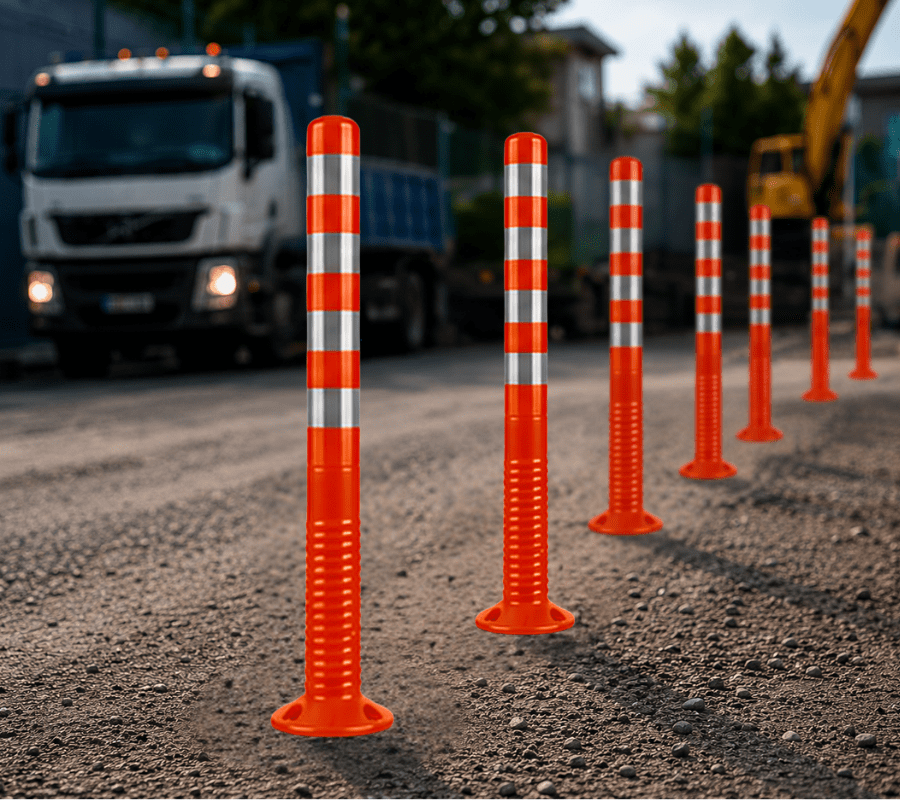
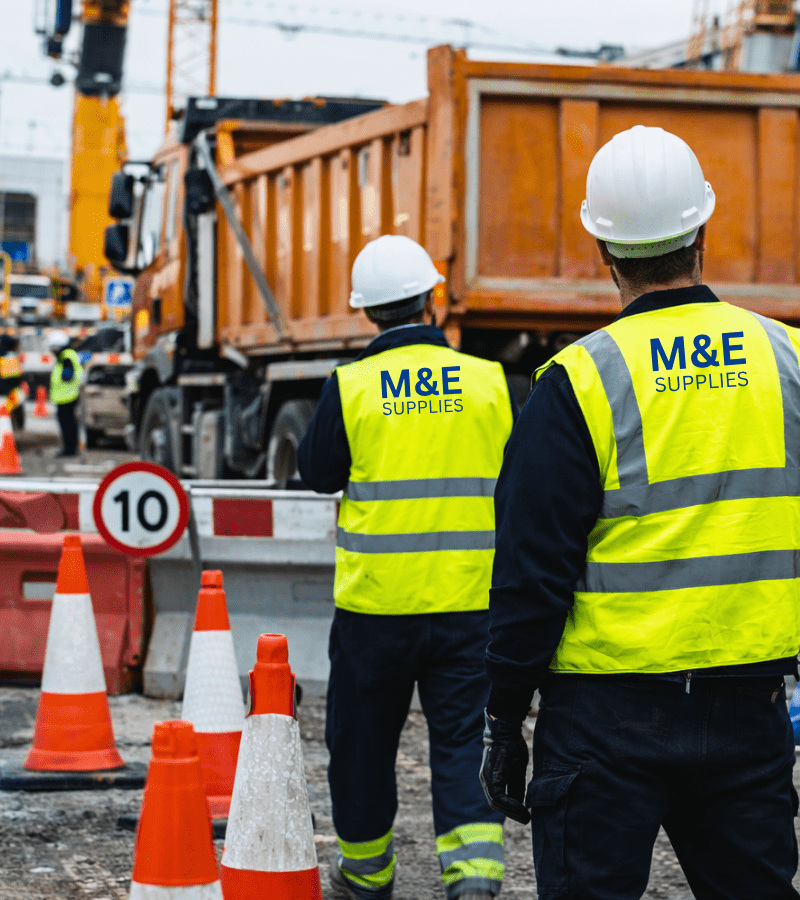
Traffic management is still one of the biggest and most preventable risks out there. You see the same things time and again:
HIGH-RISH FACTORS - HSA PRIORITY AREAS
· poor visibility in low light or bad weather
· inadequate segregation of vehicles and pedestrians
· workers stepping into live traffic zones
· poorly planned site entrances and exits
The HSA's guidance is clear: effective traffic management plans aren't optional extras, they're a basic requirement. That means proper signage, barriers, lighting and someone accountable for keeping it all working as the site changes.
Working at Height
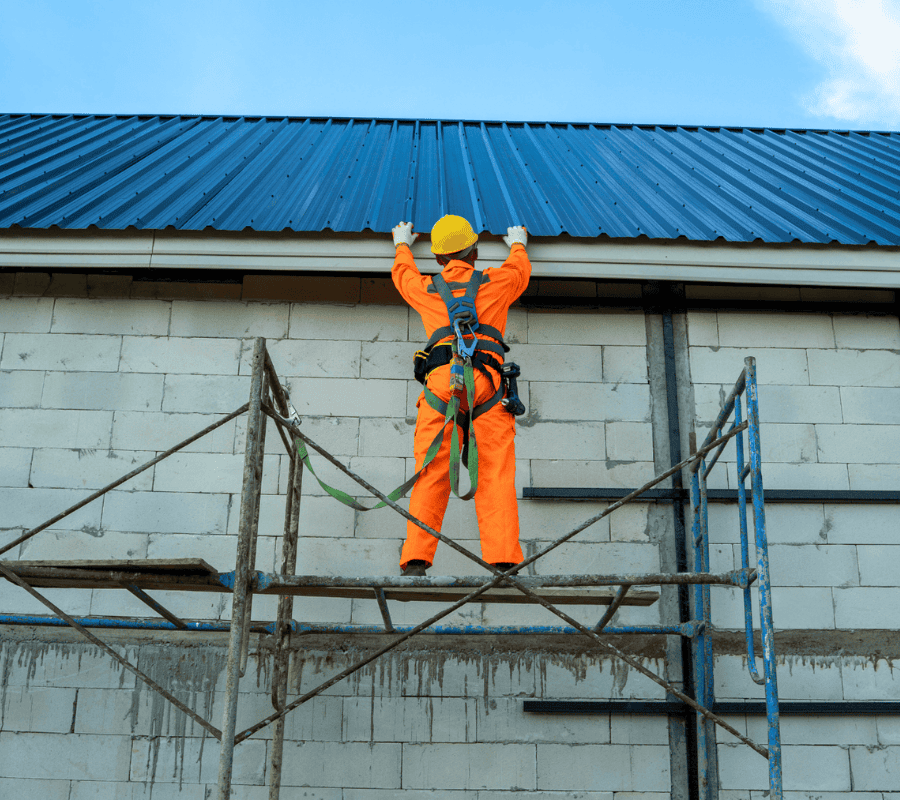
Falls from height remain one of the leading causes of serious injury and death on Irish sites. The focus is on using the right equipment, installed correctly, maintained properly and inspected regularly. Scaffolding, edge protection and access equipment all need to meet the mark before anyone goes up.
Temporary workers - scaffolding, formwork, shoring- need proper engineering and sign-off. This is one of the areas where smaller contractors often fall short, not from carelessness, but from not having the right processes in place.
What You Should Be Doing Now
M&E SUPPLIES NOTE
We stock the full range of traffic management, PPE and site safety equipment. We can help you work out what you actually need for your site. Talk to our team of experts before your next order.
Share this article:
More from The Safety Brief
Catch up on the previous article in our workplace safety series.